History
- Age
- Obstetric history
- Recurrent or prolonged illness
- Planning pregnancy
- Last menstrual period
What we do · 01
Preparing women for healthy pregnancies through better nutrition.
We strengthen nutritional wellbeing before conception by addressing nutrient deficiencies, promoting healthy weight management, and supporting informed dietary choices.
Building healthier beginnings before pregnancy starts.
Our initiatives focus on improving nutritional status, reducing health risks, and empowering women to enter pregnancy with confidence and strength.

Our approach
Before pregnancy we look at every aspect of a woman’s health that affects a safe pregnancy and a healthy baby:

Step 1
BMI is an individual’s weight in kilograms divided by the square of height in metres. It is used to classify non-pregnant women (or pregnant women within 12 weeks of pregnancy):
| Underweight | below 18.5 kg/m² |
| Normal weight | 18.5 – 24.9 kg/m² |
| Overweight | 25 – 29.9 kg/m² |
| Obese | 30 kg/m² and above |
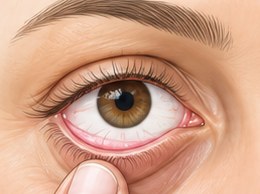
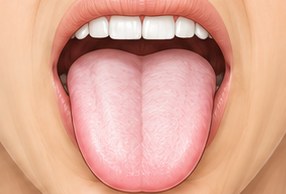
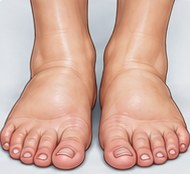
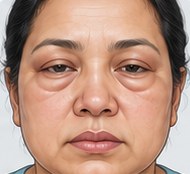
Systematic assessment for key clinical signs during examination
Check conjunctivae, tongue, oral mucosa and palms
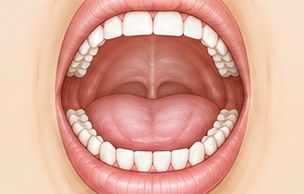
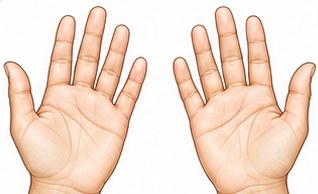
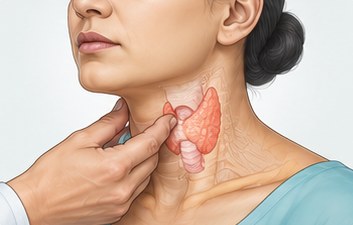
Enlarged thyroid gland on palpation
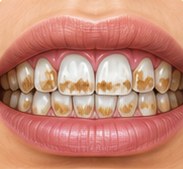
Characteristic dental changes and skeletal deformities
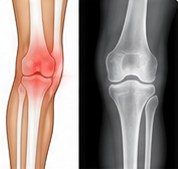
Swelling of feet/ankles and facial puffiness
Insights across the life cycle
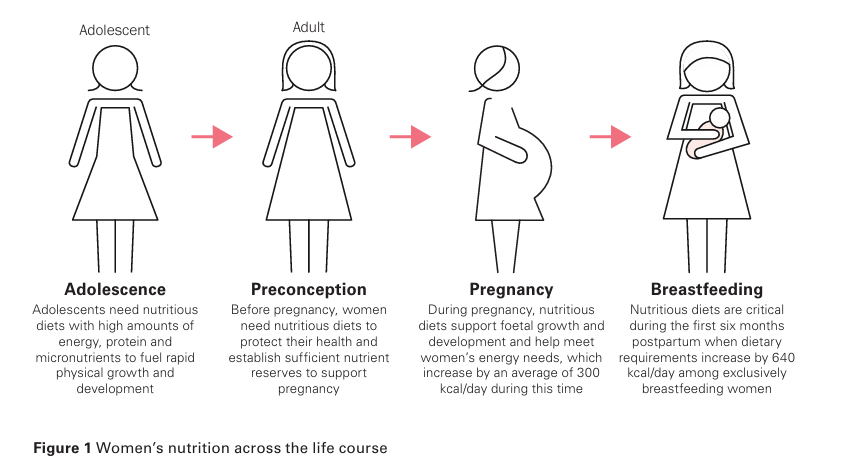
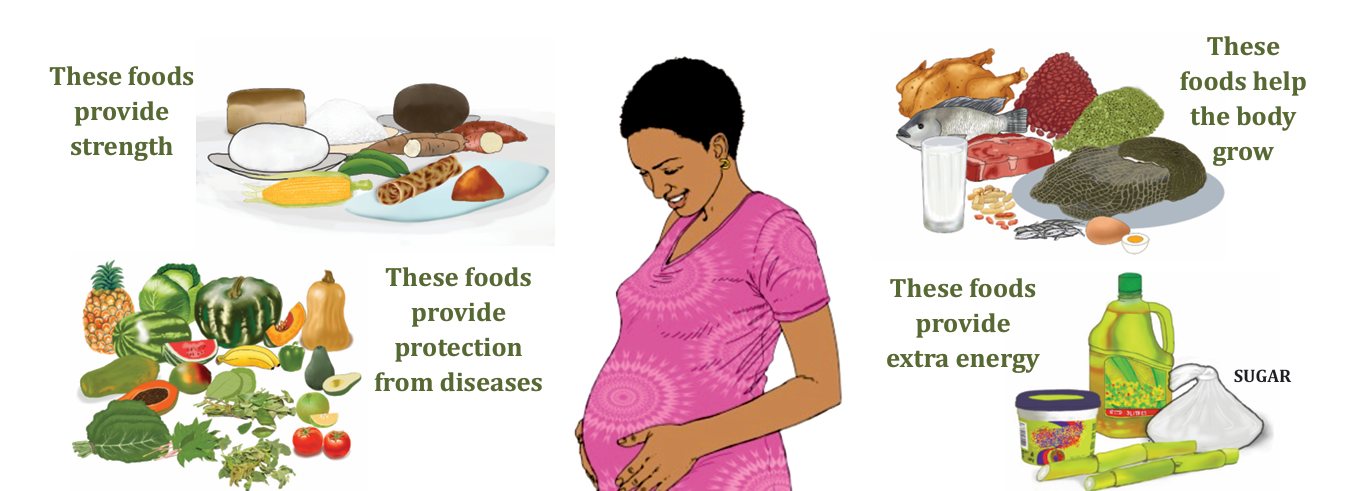
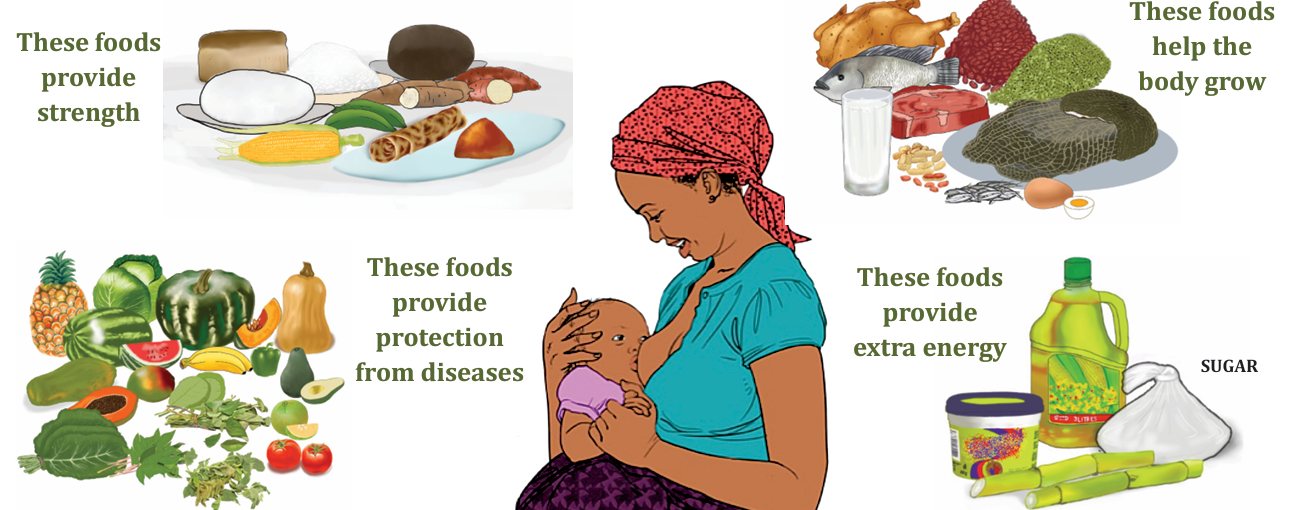
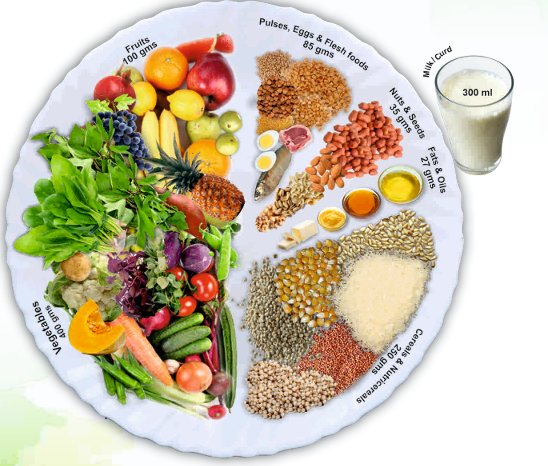
 Key messages from the flipbook Maternal nutrition for safe motherhood: foods that provide strength, foods that help the body grow, foods that provide protection from diseases, and foods that provide extra energy.
Breaking the cycle
Addressing nutritional vulnerabilities before they become lifelong challenges.
We identify and support women and adolescents at risk of undernutrition through targeted interventions, counselling, and improved access to nutritious foods.
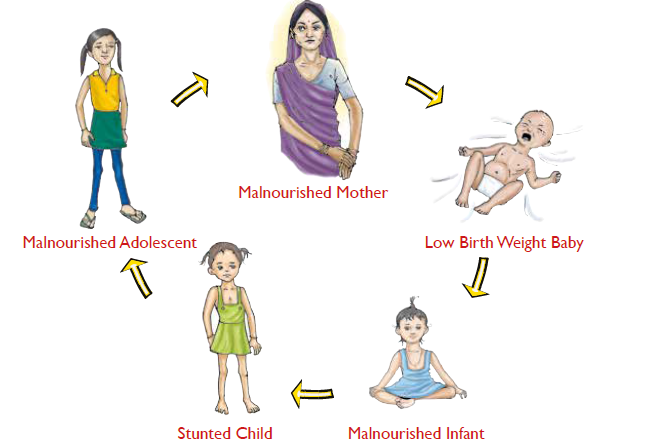
Promoting healthy weight and nutritional balance across every stage of life.
We support women and adolescents in achieving sustainable dietary habits and healthy lifestyles to reduce nutrition-related health risks.
↺ and the cycle repeats in the next generation
Key maternal nutrition indicators
| Impacts | Underweight | Overweight/obesity | Short stature | Micronutrient deficiencies |
|---|---|---|---|---|
| Mother | Morbidity, death | Gestational hypertension and diabetes, pre-eclampsia, prolonged labour, caesarean section, miscarriage, postpartum haemorrhage, anaemia, death | Obstructed labour, death | Hypothyroidism, fatigue, bleeding during delivery, eclampsia and pre-eclampsia, miscarriage, obstructed labour, morbidity, death |
| Newborn and child | Stillbirth, preterm birth, LBW, stunting, wasting | Large-for-gestational-age, preterm birth, stillbirth, neonatal asphyxia and infant mortality, low and high birthweight, birth defects | SGA, preterm birth, LBW, stunting, wasting | SGA, preterm birth, stillbirth, LBW, newborn/infant mortality, congenital defects, goitre, hypothyroidism, intellectual disabilities |
LBW: low birth weight. SGA: small for gestational age.

Talk to a MamaMind nutrition expert from home about your preconception health, diet and weight.
Consult Online NutritionistLearn what your body needs
| Preconception | Pregnancy | Postnatal | |
|---|---|---|---|
| Dietary intake | |||
| Healthy eating and physical activity to stay healthy, attain or maintain a healthy weight and/or prevent excessive weight gain | ● | ● | ● |
| Increase daily energy and protein intake to increase BMI and/or reduce the risk of low birthweight infants in undernourished populations | ● | ● | ● |
| Diverse diet, including locally available and affordable nutritious foods and fortified foods (iodized salt, fortified vegetable oil and fortified cereals) | ● | ● | ● |
| Avoid drinking tea or coffee with meals and limit the amount of coffee during pregnancy in contexts where tea or coffee are commonly consumed | ● | ● | ● |
| Adequate rest and reducing heavy workloads | no | ● | ● |
| Dietary supplementation | |||
| Continued and consistent use of IFA or multiple micronutrient supplements, including how to take supplements and manage side-effects | ● | ● | ● |
| Continued and consistent use of calcium supplements in countries with low calcium intake, including how to take supplements and manage side-effects | no | ● | no |
| Continued and consistent use of balanced energy-protein supplements in undernourished populations | ● | ● | ● |
| Breastfeeding | |||
| Breastfeeding (initiation immediately after delivery, providing colostrum, not giving prelacteal feeds, exclusive breastfeeding, continued breastfeeding, managing breastfeeding problems) | no | ● | ● |
| Hygiene | |||
| Handwashing practices at critical times and food hygiene practices through safe handling, preparation and storage | ● | ● | ● |
IFA: iron and folic acid.
Start your health journey
We calculate your BMI and ask a few questions about nutritional deficiencies. Green means normal; orange flags underweight, overweight or obesity.
Preconception, pregnancy, lactation, undernutrition, and overweight and obesity: find guidance for where you are today.
ExploreA plan built around you, with recipes from your own state.
Build my plan
Adolescents
We promote balanced diets, micronutrient supplementation, nutrition literacy, and healthy lifestyle practices to support growth, learning, and future maternal health outcomes.
Supporting girls to grow, thrive, and reach their full potential.
Through evidence-based nutrition programs, health education, and community engagement, we address anaemia, undernutrition, and emerging challenges such as overweight and obesity among adolescents.
By combining science, education, and community action, we work to improve nutritional wellbeing among adolescents, pregnant women, and mothers, helping create healthier families and stronger communities.
FAQ
Fact: Recommendation is to consume three main meals and one or two nutritious snacks, daily, for appropriate weight gain and to meet additional nutrition needs during pregnancy.
Fact: Food cravings are not universal. In fact, some food cravings may be indicative of underlying nutritional deficiencies; for example, craving for dirt, clay or laundry detergent can be a sign of anemia.
Fact: Fish contain high-quality protein and essential oils that promote brain development in the fetus. However, fish should be carefully selected as some may be high in mercury content that can harm the fetal nervous system. Fish like hilsa, rohu, salmon (raavas) and catfish (singhara) are safe to eat as they are low in mercury.
Fact: Do not have more than 2 cups of tea or coffee in a day, as caffeine in these beverages may lead to a low birth weight baby and pregnancy loss.
Fact: The color of the food a pregnant woman eats has no bearing on the complexion of the baby. However, white coloured foods like milk and cottage cheese should be consumed in pregnancy.
Fact: Ghee neither eases parturition nor helps in swift healing of the uterus. Ghee is saturated fat and should be consumed in moderation during pregnancy.
Fact: Coconut water is a good source of potassium and should be consumed in moderation for optimum gut health. It will have no impact on the size of the baby’s head.
Fact: Raw papaya is suspected to induce abortion or early labor. But ripe papaya is considered to be safe and is a good source of Vitamin A.
Fact: Some foods like jowar, bajra, ragi, brinjal, nuts, papaya, egg, meat, fish, oilseeds, fenugreek and jaggery are considered hot. These and spicy foods, if eaten in moderation, cause no harm to the baby. However, one should avoid very spicy foods during pregnancy as they may lead to heartburn.
Fact: Exercise and staying physically active during pregnancy have positive effects on both mother and the newborn. A planned exercise programme involving light stretches, walking and yoga, if done regularly, may relieve many discomforts of pregnancy and aid in smooth delivery.